
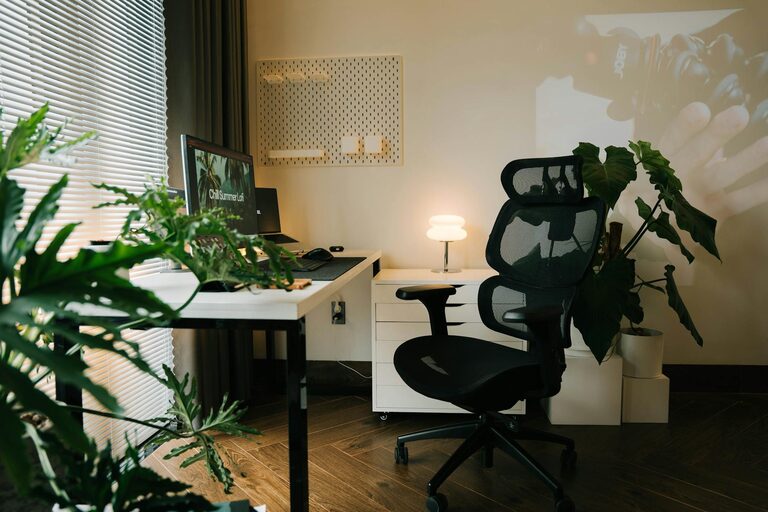
Creating a home office that feels cozy and inviting can make working from home more enjoyable and boost your productivity. Whether you have a dedicated room or just a small corner, there are plenty of ways to transform your space into a comfortable and functional environment. Here are some practical tips to help you design a home office that you’ll love spending time in.
Choose the Right Location
Prioritize Natural Light
Natural light not only brightens up a room but also improves mood and focus. If possible, set up your desk near a window. Position your screen to avoid glare but let sunlight fill the space.
Consider Noise Levels
Find a quiet spot where you can concentrate without distractions. If you don’t have a separate room, using noise-cancelling headphones or adding soft furnishings can help reduce interruptions.
Select Comfortable and Functional Furniture
Invest in a Good Chair
Comfort is key when you spend hours at your desk. Look for an ergonomic chair that supports your back and encourages good posture.
Pick a Desk That Fits Your Needs
Choose a desk with enough surface area to hold your computer, paperwork, and any accessories. Adjustable desks that allow you to switch between sitting and standing are excellent options for versatility.
Add Warmth with Colors and Textures
Choose Soothing Colors
Soft, calming colors like blues, greens, or warm neutrals create a relaxing atmosphere. Avoid harsh, bright colors that can be distracting.
Incorporate Texture
Adding texture through rugs, cushions, or curtains can make the space feel snug and inviting. Consider a plush rug underfoot or a cozy throw over your chair.
Organize Smartly
Use Storage Solutions
Keep your workspace tidy with shelves, filing cabinets, or storage boxes. Clutter can increase stress and decrease focus, so having a system to organize papers and supplies is helpful.
Personalize Without Clutter
Decorate with a few meaningful items like photos, plants, or artwork to make the office feel personal. Be careful not to overload surfaces, as that can create visual chaos.
Bring in Greenery
Add Indoor Plants
Plants improve air quality and add life to your workspace. Choose low-maintenance varieties like succulents, snake plants, or pothos if you don’t have a green thumb.
Use Plant Placement for Zoning
Large plants can help divide the office area from the rest of the room, especially in open-plan spaces.
Pay Attention to Lighting
Use Layered Lighting
Combine natural light with task lighting and ambient sources. A desk lamp with adjustable brightness can reduce eye strain during late work sessions.
Choose Warm Light Bulbs
Warm light bulbs create a cozy atmosphere, while cool white light is better for alertness. Consider adjustable bulbs that can shift between modes based on the time of day.
Enhance Comfort with Accessories
Invest in a Footrest
A footrest promotes good circulation and can improve posture during long hours of work.
Include a Whiteboard or Corkboard
These tools help with brainstorming and keeping track of important notes visually.
Maintain Good Air Quality
Ventilate Regularly
Fresh air helps you stay alert and focused. If you can, open windows frequently.
Use Air Purifiers or Essential Oil Diffusers
These can improve air quality and create a pleasant environment with subtle scents like lavender or peppermint.
Create a Routine-Friendly Space
Keep Essentials Within Reach
Arrange commonly used items so you don’t have to get up constantly—this helps maintain workflow.
Designate Zones
If your office is in a multipurpose room, having clearly defined zones for work helps your brain switch in and out of work mode more easily.
Final Thoughts
Creating a cozy and inviting home office is all about blending comfort with functionality. By paying attention to lighting, furniture, color choices, and organization, you can set up a space that feels welcoming and supports your best work. Small changes can make a big difference, so start with one or two tips and build your perfect home workspace step by step.