
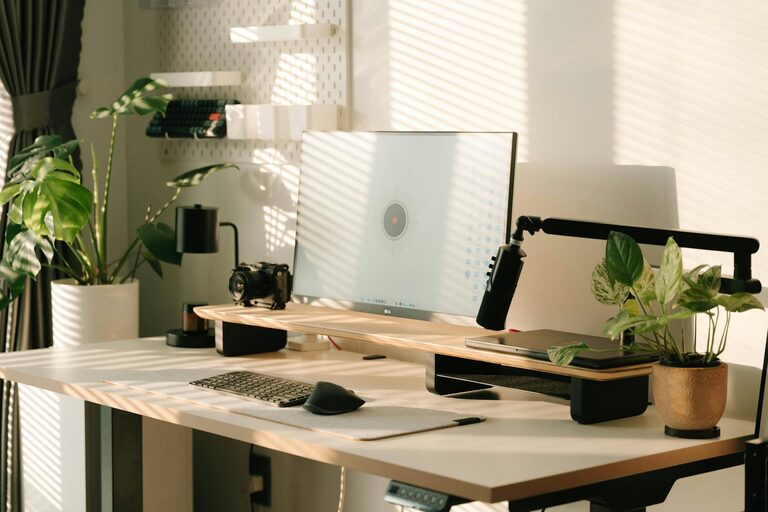
Creating a home workspace that is both productive and inspiring can significantly improve your work-from-home experience. Whether you’re freelancing, studying, or managing professional tasks remotely, having a dedicated space that motivates and helps you focus is essential. In this blog post, we’ll explore practical tips to help you design a workspace that supports productivity and sparks creativity.
Why a Dedicated Home Workspace Matters
Working from random spots around your home, like the couch or kitchen table, might seem convenient at first, but it can reduce your efficiency and increase distractions. A dedicated workspace helps set boundaries between work and personal life, gives your brain a clear signal when it’s time to focus, and encourages better posture and organization.
Choosing the Right Location
Consider Natural Light
Place your workspace near a window if possible. Natural light improves mood, reduces eye strain, and helps maintain your body’s natural rhythms. Avoid glare on your computer screen by positioning your desk perpendicular to the window.
Minimize Distractions
Choose a quiet corner or room where you can concentrate without constant interruptions. If noise is a concern, consider noise-canceling headphones or adding soft furnishings that absorb sound.
Access to Essentials
Keep your workspace close to electrical outlets and necessary internet connections to avoid clutter and technical interruptions. Also, think about your comfort—choose a space where you feel calm and motivated.
Organizing Your Workspace
Invest in Ergonomic Furniture
A comfortable chair and desk at the right height can reduce back pain and improve focus. Ergonomic setups prevent strain during long work hours. Adjustable chairs and standing desks are excellent options that allow you to change posture throughout the day.
Declutter Regularly
A cluttered desk often means a cluttered mind. Keep only essential tools on your desk and store or discard unnecessary items. Use organizers, drawers, or containers to keep papers and supplies neatly arranged.
Use Functional Storage
Shelves, filing cabinets, or wall-mounted organizers can help you store materials within easy reach, maintaining an orderly workspace and saving time when searching for documents.
Personalizing the Space to Inspire Creativity
Add Natural Elements
Plants not only improve air quality but also add color and life to your workspace. Even a small succulent can make your desk feel more inviting.
Decorate with Meaningful Items
Photos, artwork, or inspirational quotes can make your workspace feel personal and motivating. Just be careful not to overdo it—too many decorations can become distractions.
Choose Colors Wisely
Colors affect mood and energy. Soft blues and greens tend to promote calm and focus, while pops of yellow can inspire creativity. Select colors or accessories that resonate positively with you.
Enhancing Productivity Through Technology
Optimize Your Equipment
Ensure your computer, keyboard, and mouse are comfortable and suitable for your tasks. A second monitor can improve efficiency for many professionals.
Use Productivity Tools
Time management apps, to-do lists, and calendar software help keep tasks organized and on track. Simple digital tools can reduce stress and improve workflow.
Maintain Good Connectivity
Fast and reliable internet is a must to avoid interruptions during meetings or data transfers. Consider upgrading your router or placing your workspace closer to the modem if necessary.
Establishing Healthy Habits
Set a Routine
Designate consistent work hours to create structure. This habit trains your mind to focus during specific times and relax afterward.
Take Regular Breaks
Short breaks improve concentration and reduce fatigue. Techniques like the Pomodoro method (25 minutes focused work, 5 minutes break) are popular for sustaining productivity.
Incorporate Movement
Stretching or brief physical activity during breaks can boost circulation and overall well-being, keeping your energy levels steady.
Keeping Your Workspace Flexible
Adapt to Your Needs
Your work may change over time, so make sure your workspace is easy to rearrange or update. Modular furniture, movable storage boxes, and wireless devices create flexibility.
Create Zones
If space allows, design separate areas for different activities—such as a focused desk zone for computer work and a comfortable chair area for reading or brainstorming.
Final Thoughts
Designing a productive and inspiring home workspace is about balancing comfort, functionality, and creativity. Start with a well-chosen location and ergonomic furniture, then personalize your space with thoughtful touches that motivate you. By organizing efficiently and establishing healthy habits, your home workspace can become a place where you not only work productively but also enjoy spending time. With these tips, you’re well on your way to creating a home office environment that supports your success.
—
Remember, your ideal workspace reflects your unique needs and preferences. Try different setups and adjustments until you find what works best for you!