
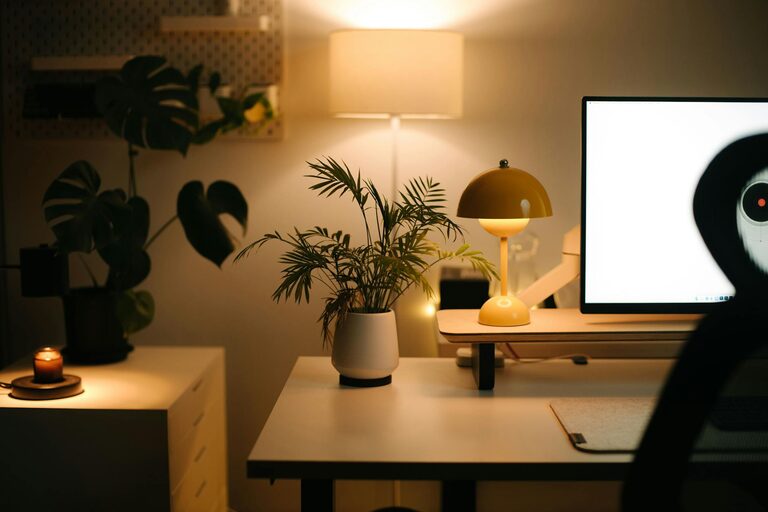
Creating a cozy and productive home office space is essential for those who work remotely or spend a significant amount of time at home completing tasks. A well-designed workspace can boost your focus, enhance creativity, and improve overall work-life balance. Whether you have a dedicated room or just a corner of your living space, these tips will help you create an environment that feels both inviting and efficient.
Choose the Right Location
Consider Natural Light
Position your home office near a window if possible. Natural light not only brightens up your space but also helps regulate your circadian rhythm, improving mood and energy levels. Avoid placing your desk directly in front of a window to prevent screen glare.
Minimize Distractions
Choose a quiet area of your home where interruptions are minimal. If you share your space with others, select a spot that feels private and can be easily separated from high-traffic areas.
Invest in Comfortable and Functional Furniture
Ergonomic Chair and Desk
Comfort is key for long working hours. Invest in an ergonomic chair that supports your back and promotes good posture. Pair it with a desk at an appropriate height to avoid strain.
Desk Size and Storage
Select a desk that fits your work needs. Consider one with built-in storage or add file organizers and shelves to keep essential documents and supplies within reach but out of the way.
Organize Your Workspace Efficiently
Declutter Regularly
A clean desk helps clear your mind. Limit the number of items on your desk to what you need daily. Use cable organizers to prevent cords from tangling.
Use Storage Solutions
Incorporate drawer organizers, baskets, or wall-mounted shelves to store supplies, paperwork, and electronics neatly. Label containers to find things easily.
Personalize with Cozy Touches
Add Comfortable Elements
Introduce soft textures like a plush rug, cushions, or a cozy blanket for warmth. These additions create a welcoming environment that invites you to settle in and work comfortably.
Use Calming Colors
Choose soothing colors such as light blues, greens, or neutrals for your walls and decor. These shades can reduce stress and increase focus.
Incorporate Plants
Indoor plants improve air quality and add life to your space. Choose low-maintenance plants like snake plants or pothos that thrive indoors.
Optimize Lighting
Layered Lighting
Combine natural light with different light sources. Use task lighting like adjustable desk lamps for focused work and ambient lighting like floor lamps or wall sconces to create an inviting atmosphere.
Avoid Harsh Lighting
Avoid overhead fluorescents or bright white lights that can cause eye strain. Opt for warm, soft lighting options to protect your eyes and maintain comfort.
Set Boundaries and Create Routine
Define Work Hours
To prevent burnout, set clear working hours. When your workday ends, physically close the office door or cover your workspace to signal downtime.
Establish Daily Rituals
Begin your day with a consistent routine—whether it’s a cup of tea, a short walk, or organizing your tasks. This helps transition your mind into “work mode.”
Use Technology and Tools Wisely
Invest in Quality Equipment
Reliable technology can enhance productivity. Choose a comfortable keyboard, mouse, and a monitor with good resolution. Consider noise-canceling headphones if your environment is noisy.
Utilize Productivity Apps
Organize tasks and manage time efficiently with apps like task managers, calendar planners, or focus timers.
Keep Air Quality Fresh
Ventilation
Regularly open windows or use air purifiers to maintain fresh air in your workspace. Fresh air can reduce fatigue and improve concentration.
Avoid Overheating or Chilling
Maintain a comfortable temperature by using fans, heaters, or air conditioning as needed. Being too hot or cold can be distracting.
Conclusion
Creating a cozy and productive home office is about balancing comfort with functionality. By carefully selecting your space, investing in ergonomic furniture, organizing effectively, and adding personal touches, you can design a workspace that supports your work and well-being. Remember to maintain good lighting, fresh air, and clear boundaries between work and personal time. Your ideal home office is one that helps you feel focused, motivated, and content throughout the workday.