
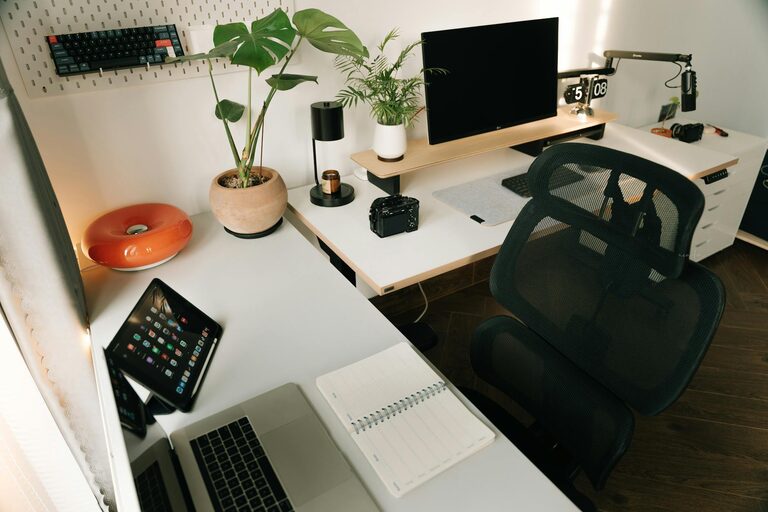
Working from home has become increasingly common, and having a productive home office environment is key to maintaining focus and efficiency. Whether you’re a full-time remote worker or someone who occasionally works from home, creating a workspace that supports your productivity can make a big difference in your workday. Below are helpful tips to design a home office that keeps you comfortable, organized, and motivated.
Choose the Right Location
Selecting the best spot for your home office is the first step. Ideally, find a quiet area with minimal distractions and good natural light. A corner of a spare room, a nook near a window, or a dedicated room are all good options. If you don’t have much space, look for a spot you can easily control noise and interruptions.
Invest in Comfortable and Ergonomic Furniture
Comfort is crucial when you spend hours at your desk.
– Ergonomic Chair: Choose a chair that supports your back and promotes good posture.
– Desk: Opt for a desk at the right height for your body. Adjustable desks are great for switching between sitting and standing.
– Monitor Position: Your computer monitor should be at eye level to avoid neck strain.
Taking care of your physical health supports productive work and reduces fatigue.
Organize Your Workspace
A tidy, clutter-free environment helps keep your mind clear.
– Declutter Regularly: Remove items you don’t need daily.
– Use Storage Solutions: Shelves, filing cabinets, and desk organizers keep supplies in place.
– Cable Management: Use clips or sleeves to avoid tangled cords and maintain a clean look.
An organized workspace improves focus and reduces time spent searching for materials.
Maximize Lighting
Good lighting enhances mood and reduces eye strain.
– Natural Light: Position your desk near windows, if possible.
– Task Lighting: Use a desk lamp with adjustable brightness.
– Avoid Glare: Position your screen to limit reflections from lights or windows.
Proper lighting creates a welcoming and comfortable environment conducive to productivity.
Set a Routine and Boundaries
Creating a productive space is about more than physical setup; daily habits matter too.
– Set Regular Hours: Establish a typical start and end time for work.
– Take Breaks: Step away from your desk to stretch and recharge.
– Communicate Boundaries: Let family members or roommates know your work times to minimize interruptions.
Routines and boundaries help maintain a work-life balance and keep your mind in “work mode” when needed.
Personalize Your Space
Adding personal touches can increase motivation and reduce stress.
– Plants: Indoor plants brighten the room and can improve air quality.
– Photos or Artwork: Choose items that inspire or calm you.
– Colors: Soothing colors like blues and greens can enhance concentration, but personal preference matters.
A pleasant environment makes spending time in your home office feel more enjoyable.
Use Technology Wisely
Make sure your technology supports efficiency.
– Reliable Internet: A strong internet connection is essential.
– Quality Equipment: Consider noise-canceling headphones, a good microphone, and a second monitor if helpful.
– Organize Digital Files: Keep your computer desktop and files organized as you do physical space.
Technology should simplify your tasks, not add frustration.
Minimize Distractions
Create an environment that limits interruptions.
– Turn Off Notifications: Silence non-essential app alerts during focused work times.
– Use Headphones: Background noise or music can help mask distractions.
– Separate Work and Leisure: Avoid mixing work with entertainment devices in the same space.
Reducing distractions helps maintain deep focus.
Keep Essentials Within Reach
Make your workspace efficient by having frequently used items nearby.
– Supplies: Keep pens, notebooks, chargers, and other tools within arm’s reach.
– Water and Snacks: Stay hydrated and energized without frequent trips away from your desk.
Having everything you need close by helps maintain momentum through the workday.
—
Creating a productive home office environment takes some planning and intentionality, but the benefits are worth it. With the right location, comfortable furniture, organization, and a few personal touches, you can build a space that supports focus and work-life balance. Experiment with what works best for you and make adjustments as needed to find your ideal setup.